Furnaces Sized and Installed for Reliable Output
Furnace Installation and Replacement in Mansfield for homes with failed equipment, persistent output problems, or heating systems approaching end of life
A significant portion of Mansfield's residential housing stock was constructed between the 1940s and 1960s, and the furnaces that have served those homes through multiple decades of ownership are increasingly at or past the point where continued repair is practical. Pro One Electric and Generators installs and replaces furnaces in Mansfield, handling the evaluation, equipment selection, and commissioning process so that what replaces an aging unit is correctly sized for the home rather than simply the same capacity as what came out. Homeowners who have lived with a furnace that runs long cycles without reaching set temperature, produces uneven heat across rooms, or requires repeated service calls will notice an immediate difference in how the home responds once properly matched equipment is installed and commissioned.
Furnace replacement begins with confirming gas supply line capacity, venting configuration, and the condition of the existing duct system before the replacement unit is selected. In Mansfield's older homes, original duct systems were frequently designed around gravity-fed or low-static-pressure equipment, and connecting a modern multi-speed or variable-capacity furnace to an unconverted duct layout can produce static pressure problems that limit the new unit's performance from day one. Pro One Electric and Generators addresses these conditions as part of the installation evaluation rather than treating them as separate concerns—because equipment and duct system performance are interdependent, not independent.
Arrange a furnace evaluation to assess current equipment condition, venting type, and duct system compatibility before choosing a replacement unit.
What a Correct Furnace Installation Actually Accomplishes
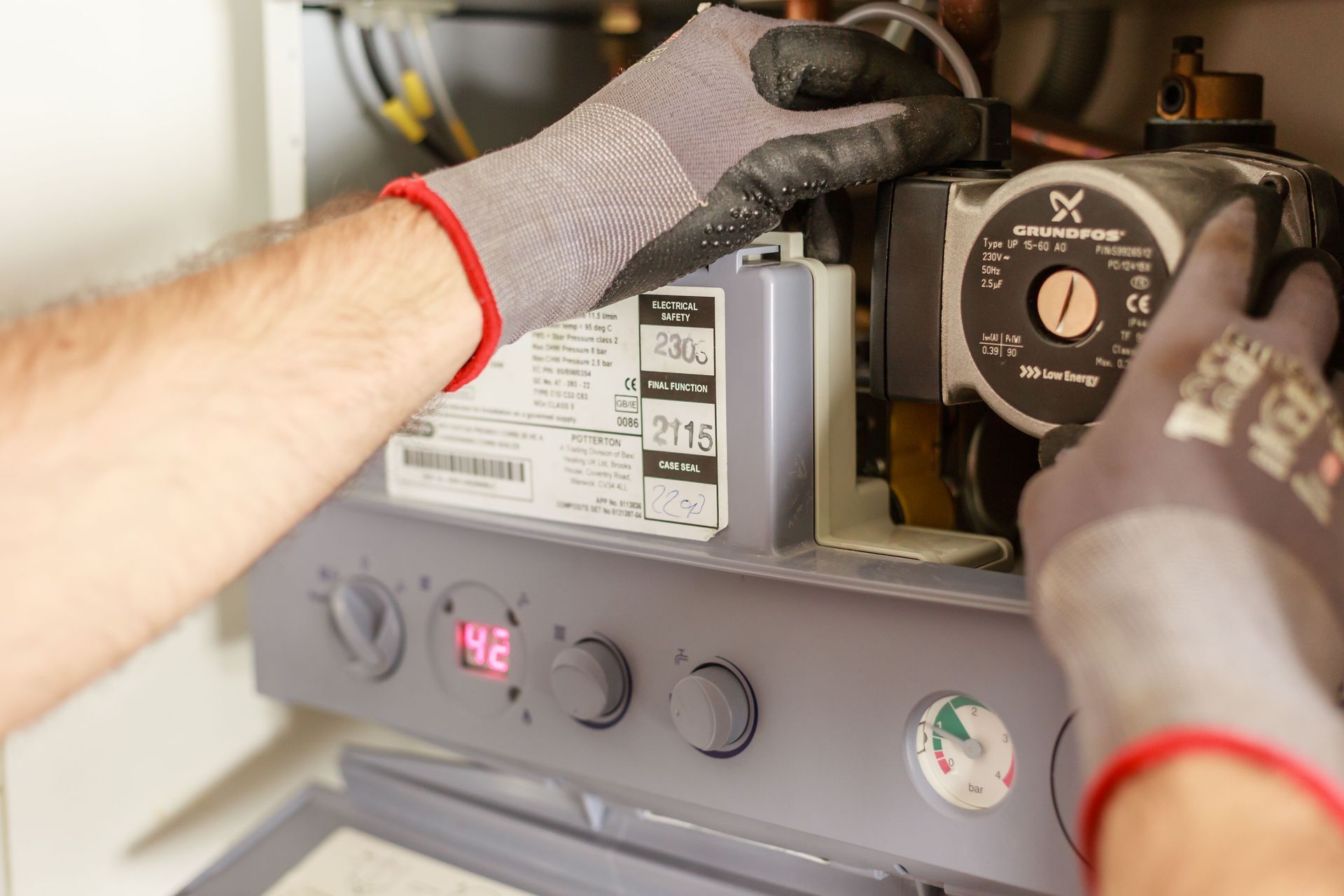
Installing a replacement furnace involves a defined set of steps that each affect performance and safety. The gas supply connection is pressure-tested before the burner is fired. The heat exchanger is inspected for cracks or separation before the blower is connected to the duct system—a cracked heat exchanger allows combustion gases to enter the air stream, which is a condition no amount of new equipment can correct if it is carried forward from the old unit into the new installation. Pro One Electric and Generators also verifies that the flue venting is correctly sized and routed for the replacement unit, since a high-efficiency condensing furnace requires PVC two-pipe venting rather than the metal flue used by standard-efficiency equipment, and the difference affects where and how the unit can be positioned in the mechanical space.
Once the replacement furnace is commissioned, the change in heat distribution is typically observable within a few operating cycles. Registers that previously delivered reduced airflow due to a failing blower motor or restricted duct section should produce measurably stronger output, and the thermostat should satisfy within a cycle time that reflects the equipment's rated capacity rather than the extended run times that characterize an undersized or deteriorating system.
Variable-speed furnaces modulate blower speed based on demand, which produces quieter operation and more consistent air circulation between heating cycles compared to single-speed units that run at full output or not at all. This distinction is worth considering during equipment selection because it affects both the day-to-day experience of the system and the compatibility requirements for the thermostat and any zoning controls that may already be installed in the home.
Questions About How Furnace Replacement Works
Furnace installation and replacement raises practical questions about process, sequencing, and what the finished work should produce. The following addresses what property owners most commonly want to understand before the project begins.
How is a replacement furnace sized for a home?
Sizing is based on a heating load calculation that accounts for the home's insulated envelope, window area, ceiling height, and duct system efficiency—not simply matching the BTU rating of the unit being replaced, which may have been oversized originally and caused short-cycling throughout its life.
What makes venting configuration the first decision in a furnace replacement?
The efficiency rating of the replacement unit determines the venting type required—standard-efficiency units vent through metal flue to a chimney or roof penetration, while high-efficiency condensing units require two-pipe PVC venting through a sidewall, and the building's layout determines which configuration is physically possible at the equipment location.
Why does the heat exchanger condition matter when replacing a furnace?
If the existing heat exchanger has cracks or separated seams, combustion gases can enter the air stream and circulate through the home—identifying this condition before the new unit is installed is part of a correct replacement process, not an optional inspection.
How do Mansfield's mid-century homes affect furnace duct compatibility?
Homes built before 1970 in the area were often constructed with duct systems designed for gravity warm-air systems, which use larger, lower-resistance pathways than the higher-static-pressure duct layouts that work correctly with modern forced-air furnaces—a discrepancy that shows up as reduced airflow and uneven room temperatures when a modern furnace is installed without duct assessment.
What should you observe in the first few heating cycles after furnace installation?
The system should reach set temperature within a predictable cycle time, all supply registers should produce airflow, and there should be no odor after the initial burn-off cycles—persistent odors following the first few firing cycles indicate a venting or combustion issue that requires immediate follow-up.
Pro One Electric and Generators replaces and installs furnaces for homeowners across Mansfield—connect with the office to set up an on-site review of your current equipment, venting configuration, and duct system before the replacement process begins.