
Cooling and Heating Without Ductwork Overhead
Mini-Split Installation in Mansfield for spaces where central duct systems are absent, impractical, or already at capacity
Older construction throughout Richland County frequently presents a specific limitation: rooms added after the original build, detached garages converted to living space, and upper-floor additions that were never connected to the central duct system. Pro One Electric and Generators installs ACiQ mini-split systems in Mansfield to address exactly these situations, bringing conditioned air to spaces a standard forced-air system cannot reach without extensive and costly duct renovation. The result is a room that holds a stable temperature independent of whatever the rest of the house is doing.
Mini-split installation involves mounting a compact air handler on an interior wall, running a refrigerant line set through a small penetration in the exterior wall, and connecting the indoor unit to an outdoor compressor. ACiQ systems are configured during installation to match the load requirements of the specific space—a process that accounts for ceiling height, insulation quality, and the room's orientation. Each indoor unit operates independently, which means a converted garage or finished basement can be conditioned on its own schedule without affecting the rest of the home.
Arrange an on-site evaluation to review the space, the available exterior wall location for the compressor, and the electrical supply requirements before installation begins.
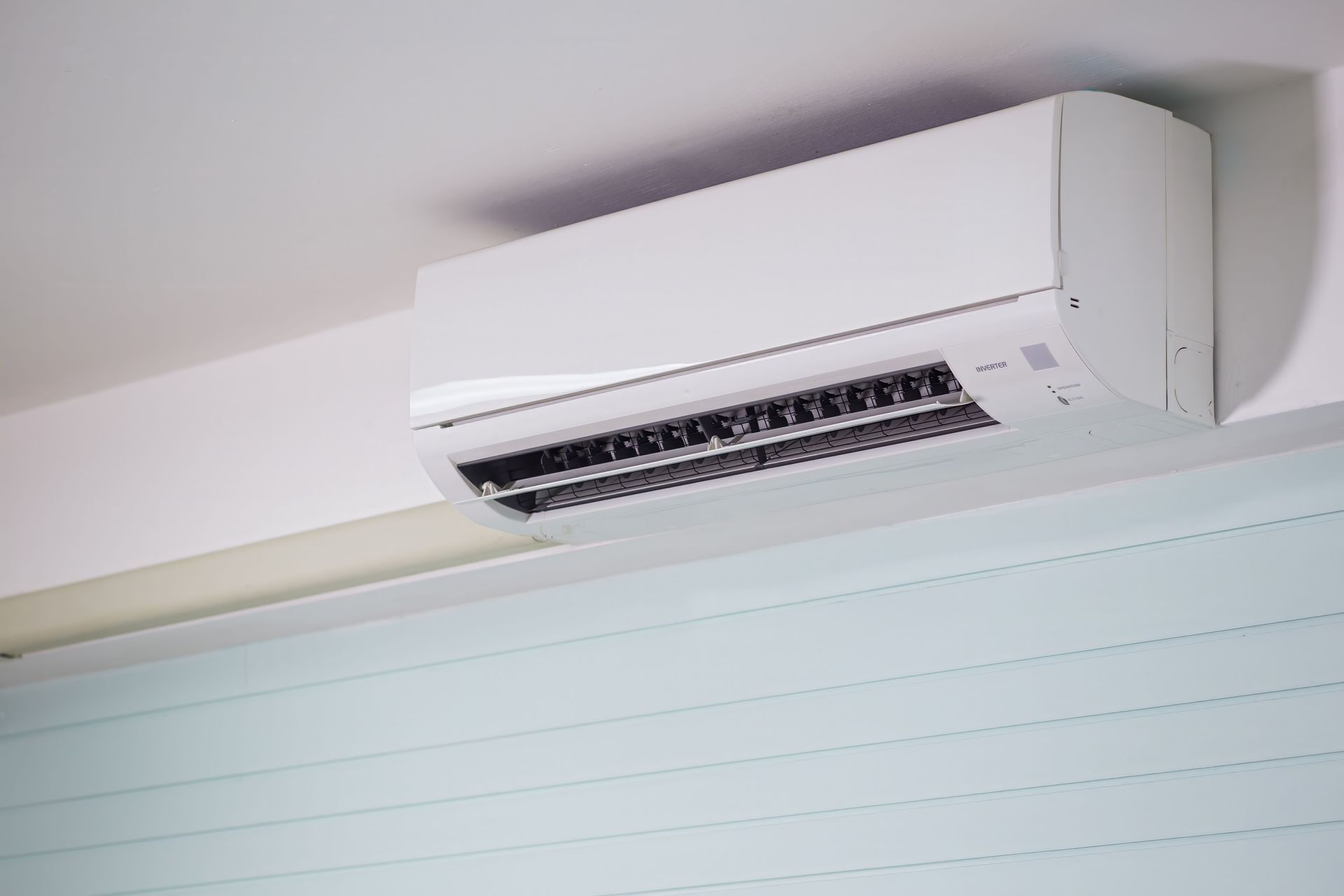
How Mini-Split Systems Address Ductless Spaces
The ACiQ systems Pro One Electric and Generators installs use inverter-driven compressors, which adjust output continuously rather than cycling fully on and off. This matters practically because the system modulates to maintain a set temperature rather than swinging between overshooting and undershooting it—a common complaint with single-stage units in smaller rooms. The refrigerant line set connection requires a vacuum pull and pressure test before the system is charged, verifying that the refrigerant circuit is sealed and the system is ready to operate correctly.
After installation, the indoor unit produces noticeably quieter operation than a window unit or a portable air conditioner, and the room reaches and holds the target temperature without the cycling noise associated with older equipment. There is no ductwork to lose conditioned air through—the air handler delivers directly into the room, so what the thermostat reads is what the occupant experiences.
Mini-splits also provide heating through the same refrigerant cycle in reverse, making them a practical year-round solution for spaces that currently have no heat source at all. The electrical service requirements vary by system size, and the installation includes verifying that the panel and wiring at the outdoor unit location meet the equipment specifications—a step that is particularly relevant in homes with older electrical infrastructure where subpanel capacity for added loads requires confirmation.
What to Know Before Mini-Split Work Starts
Property owners in Mansfield often ask detailed questions about line set routing, electrical requirements, and how the indoor unit is positioned. The answers below address the most common points about how this installation actually works.
What determines where the indoor air handler gets mounted?
Placement is based on the room's airflow pattern—the unit needs an unobstructed path to distribute conditioned air across the space, which typically means a high interior wall position away from corners where air stratifies rather than circulates.
How is the refrigerant line set routed from inside to outside?
The line set runs through a single penetration in the exterior wall, angled slightly downward toward the outside to allow condensate drainage, then connects to the outdoor compressor with insulated tubing to minimize heat gain along the run.
Why does the system require a vacuum pull before charging?
Drawing a vacuum removes moisture and non-condensables from the refrigerant circuit—if either is present when the system is charged, it degrades refrigerant performance and can cause premature compressor wear.
When does a mini-split installation require an electrical permit in Mansfield?
Any new dedicated circuit for a mini-split system requires a permit and inspection through the local building department, which Pro One Electric and Generators handles as part of the installation process.
What does the finished installation look like from the exterior?
The outdoor compressor sits on a pad or wall bracket adjacent to the penetration point, with the insulated line set running along the exterior wall in a raceway channel for a clean, finished appearance rather than exposed tubing.
Pro One Electric and Generators installs ACiQ mini-split systems in spaces across Mansfield where ductwork is not a practical option—contact the office to schedule a site visit and review the specific layout, electrical supply, and unit sizing for your space.