Heating Systems Installed to Last Through Heavy Use
Heating System Installation and Replacement in Mansfield for homes with aging infrastructure, failed equipment, or inadequate output
What a homeowner notices after a correctly installed heating system is finished is not dramatic—the house reaches set temperature without the system laboring, every room receives air rather than just the rooms closest to the furnace, and the equipment runs at intervals that indicate it is working within its design range. Pro One Electric and Generators provides heating system installation and replacement in Mansfield, handling the full scope from equipment selection through commissioning so that what gets installed is matched to the actual demands of the home. Who needs this service most directly are homeowners whose current system is producing uneven heat, running constantly without reaching set temperature, or has reached the point where repair costs outpace the value of keeping the equipment.
The installation sequence begins with evaluating the existing duct system, the venting configuration, and the gas or electrical supply at the equipment location. In Mansfield's stock of mid-century and early postwar homes, original duct layouts were often designed around the equipment of the era—systems with lower static pressure ratings and different airflow characteristics than today's equipment. Installing a modern high-efficiency unit into an unconverted duct system can create pressure imbalances that reduce performance and comfort even when the equipment itself is correctly specified. Addressing the duct system as part of the installation, rather than treating it as a separate project, is what separates a correct installation from one that performs below expectations from the start.
Schedule a heating system assessment to review current equipment condition, duct layout, and venting before selecting replacement equipment..
Why Heating System Sequencing Matters
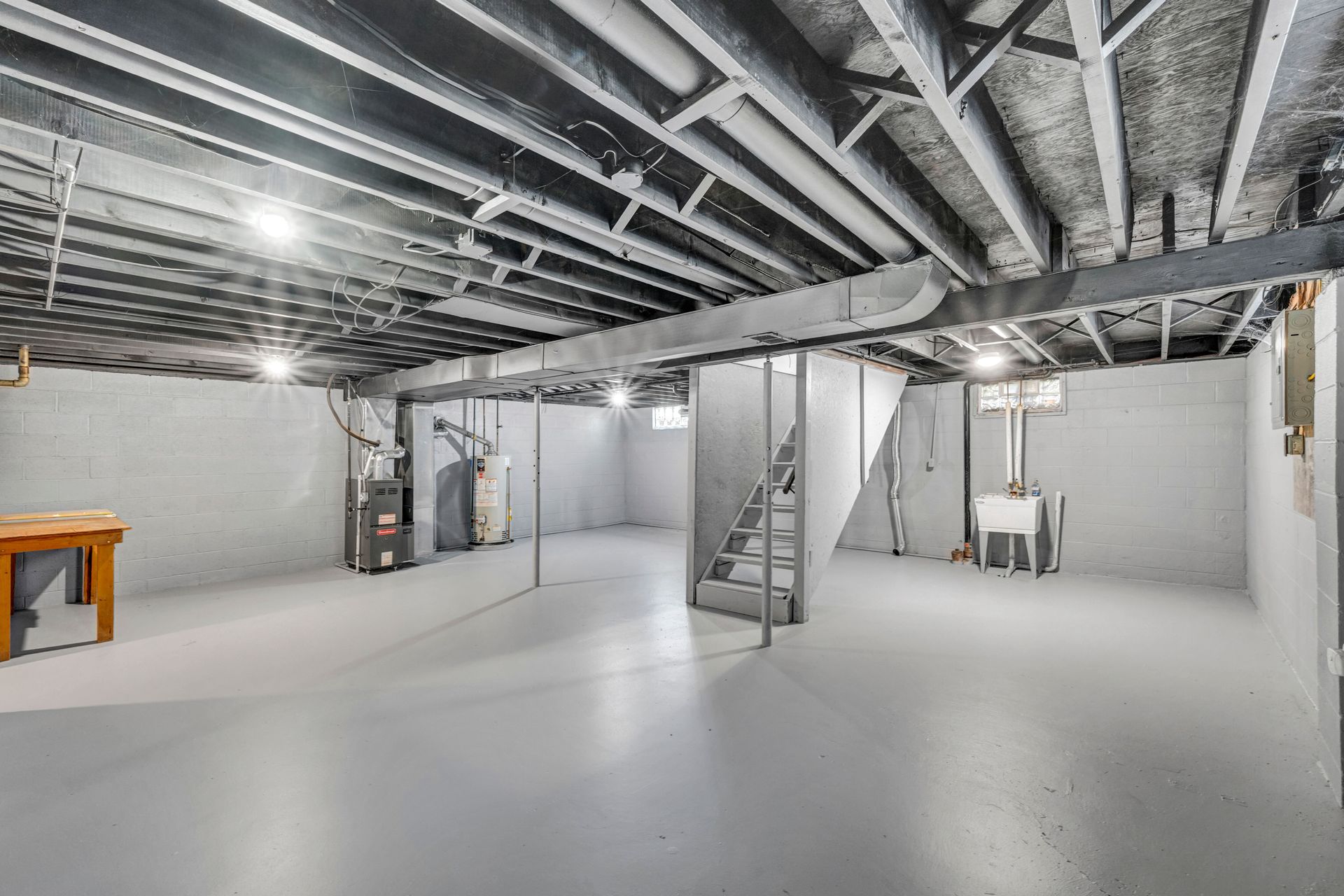
Heating system installation involves a defined sequence of steps that cannot be safely reordered. Gas line connections require pressure testing before the equipment is fired. Venting must be routed and verified before the heat exchanger operates. Electrical connections at the air handler and thermostat must be confirmed before the system is commissioned. Pro One Electric and Generators works through this sequence systematically, which is particularly relevant in homes where previous work may have introduced non-standard venting configurations or undersized gas supply lines that would restrict the new equipment's output.
After the system is commissioned, the air distribution should feel noticeably different from a failing or undersized unit—registers that previously delivered weak airflow should produce a consistent output, and rooms at the far end of the duct run should receive heat rather than being left to the residual warmth from closer registers. The thermostat should satisfy in a predictable cycle time rather than the system running in extended, inefficient on-cycles.
Replacement also presents the opportunity to move from a lower-efficiency unit to a variable-speed or two-stage system, which modulates output rather than operating at a single fixed rate. This choice affects both operating cost and comfort, and it also affects the venting configuration—two-pipe PVC venting required by high-efficiency condensing units is a different installation than single-pipe metal venting used by standard-efficiency equipment, and the structure of the home determines which configuration is practical.
Common Questions About Heating System Work
Heating system replacement involves decisions about equipment type, venting, duct condition, and electrical supply that affect how the installation proceeds. The following addresses the questions that come up most often about the actual work involved.
How is the gas line verified as part of a heating installation?
Before any new equipment is connected, the supply line is pressure-tested to confirm it can deliver adequate volume at the correct pressure for the new unit's BTU rating—an undersized line will cause the burner to operate below capacity regardless of the equipment's efficiency rating.
What makes venting configuration different between standard and high-efficiency systems?
Standard-efficiency furnaces use metal flue venting that exits through the chimney or roof, while high-efficiency condensing units require two-pipe PVC venting that draws combustion air from outside and exhausts through a sidewall—a distinction that affects where and how the unit can be installed in the mechanical room.
When does duct modification become part of a heating system replacement?
In Mansfield homes built before 1970, duct systems were commonly sized for lower-output equipment; when those ducts are connected to modern high-static-pressure air handlers, the restriction creates comfort problems that new equipment alone will not fix.
How does thermostat selection interact with new heating equipment?
Variable-speed and two-stage systems require compatible thermostats to operate correctly—connecting a single-stage thermostat to multi-stage equipment leaves the advanced functionality unused and may cause short-cycling behavior.
What should you check in the first week after a new heating system is installed?
Confirm that each register in the home produces airflow, that the system satisfies within a reasonable cycle time at your thermostat setting, and that the equipment does not produce unusual odors after the first few burn-off cycles—a brief smell during initial firing is normal, but persistent odors warrant a follow-up inspection.
Pro One Electric and Generators installs and replaces heating systems for properties throughout Mansfield—connect with the office to arrange a site evaluation and confirm what the installation will require before equipment selection is finalized.