
One System for Both Heating and Cooling
Heat Pump Installation and Replacement in Mansfield for homes evaluating electric heating alternatives or replacing aging dual-system setups
Many Mansfield-area homes have historically run a gas furnace paired with a central air conditioning system as two separate pieces of equipment on separate lifecycles. When one component reaches the end of its useful life, replacing both with a heat pump system consolidates heating and cooling into a single refrigerant-based system—and the decision point is worth evaluating carefully because the electrical service requirements, duct conditions, and backup heating configuration all affect whether a heat pump installation is straightforward or involves preparatory work. Pro One Electric and Generators handles heat pump installation and replacement in Mansfield, assessing each property's existing infrastructure before equipment selection so the chosen system is matched to what the home can actually support.
Heat pump installation follows a similar physical process to central air conditioning installation—outdoor unit on a pad or wall bracket, indoor air handler connected to the duct system, refrigerant line set between them—but the electrical requirements are typically higher, and the system requires auxiliary or emergency heat for periods when outdoor temperatures drop low enough that the refrigerant cycle alone cannot meet the load. Determining the right auxiliary heat configuration, whether electric resistance strips in the air handler or a dual-fuel setup paired with a gas furnace, is a decision driven by the home's heating load and the homeowner's priorities, and it happens before installation rather than after.
Request a heat pump evaluation to review your home's electrical service capacity, duct system condition, and backup heat requirements before selecting equipment.
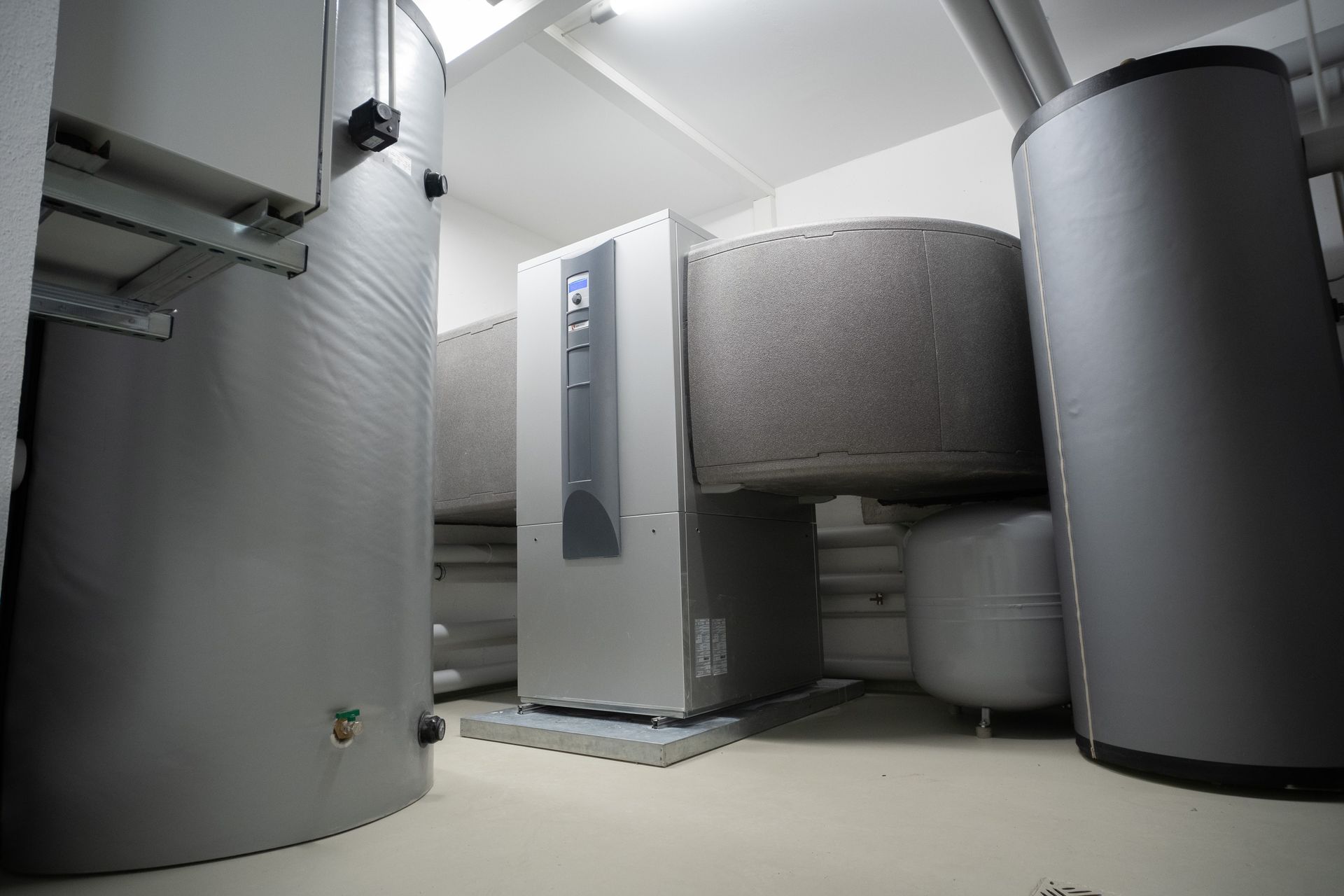
The Difference Between a Standard and a Correct Heat Pump Installation
Heat pump systems operate across a wider range of conditions than air conditioning equipment, and the installation decisions made at the start determine how the system performs at both ends of that range. Pro One Electric and Generators verifies electrical panel capacity and wiring before the outdoor unit is set, because heat pumps draw higher starting current than comparably sized air conditioning condensers and require a dedicated circuit sized to the equipment specification. The refrigerant charge is verified after installation through superheat and subcooling measurements rather than assumed to be factory-correct—a step that matters because a system operating with incorrect refrigerant charge loses efficiency at the exact conditions where efficiency matters most.
After a correctly installed heat pump is commissioned, the home should maintain comfortable temperatures through the heat pump's primary operating range without the auxiliary heat engaging except during peak demand periods. Homeowners who have used electric baseboard or older heat pump equipment often notice that a properly sized and charged modern system holds temperature more steadily and runs at lower noise levels than the equipment it replaced.
The duct system serving a heat pump distributes air at a lower supply temperature than a gas furnace—typically in the 90–100°F range compared to 120–130°F from a furnace—which can feel different at the register and requires that the duct system is capable of delivering adequate volume to compensate. In homes where duct runs are long or have undersized transitions, this distinction affects whether the heat pump's rated output translates to actual comfort in every room.
What Property Owners Ask About Heat Pump Work
Heat pump installation involves more variables than a straight equipment replacement, and the questions below address the process details that most commonly come up before and during the project.
How does the backup heat configuration get determined during installation?
The auxiliary heat sizing is based on the difference between the heat pump's output at design outdoor temperature and the home's calculated heating load at that same temperature—whatever the heat pump cannot cover at its lower operating limit is what the backup system needs to provide.
Why does duct supply air temperature matter differently for a heat pump than a furnace?
Heat pumps deliver air in the 90–100°F range rather than the 130°F+ of a gas furnace, so duct systems with restricted airflow that felt adequate with a furnace may produce drafty or slow-to-recover conditions when the equipment is switched to a heat pump without duct corrections.
What electrical panel work is typically required before heat pump installation?
A heat pump outdoor unit requires a dedicated double-pole breaker sized to the unit's minimum circuit ampacity, and if the existing panel has limited capacity or the previous air conditioning circuit was undersized, a panel evaluation or subpanel addition may be part of the project scope.
How is refrigerant charge verified after a heat pump is installed?
Technicians measure superheat at the suction line and subcooling at the liquid line under operating conditions—values that confirm the refrigerant charge is correct for the actual load the system is handling at the time of measurement.
What does the transition feel like for a Mansfield home switching from gas heat to a heat pump?
The most noticeable change is at the register—heat pump air feels less intensely warm than furnace air, which is normal, but the home should still reach set temperature within a comparable timeframe when the system is correctly sized and the duct system supports adequate airflow volume.
Pro One Electric and Generators installs and replaces heat pump systems for homes throughout Mansfield—schedule a site visit to assess your electrical service, existing duct condition, and the backup heat configuration that best fits your property before any equipment decisions are made.